How Bangladesh Textile Printing Buyers Can Compare K5 K6 and K9 CMS Flake Data
KARN Textile Chemicals Bangladesh Procurement Note
How Bangladesh Textile Printing Buyers Can Compare K5 K6 and K9 CMS Flake Data
A bilingual method focused reference for reviewing supplier viscosity figures before sample preparation document checks and textile printing trials
Published by KARN Textile Chemicals technical team
Publication date 29 July 2026 Market context Bangladesh textile printing procurement
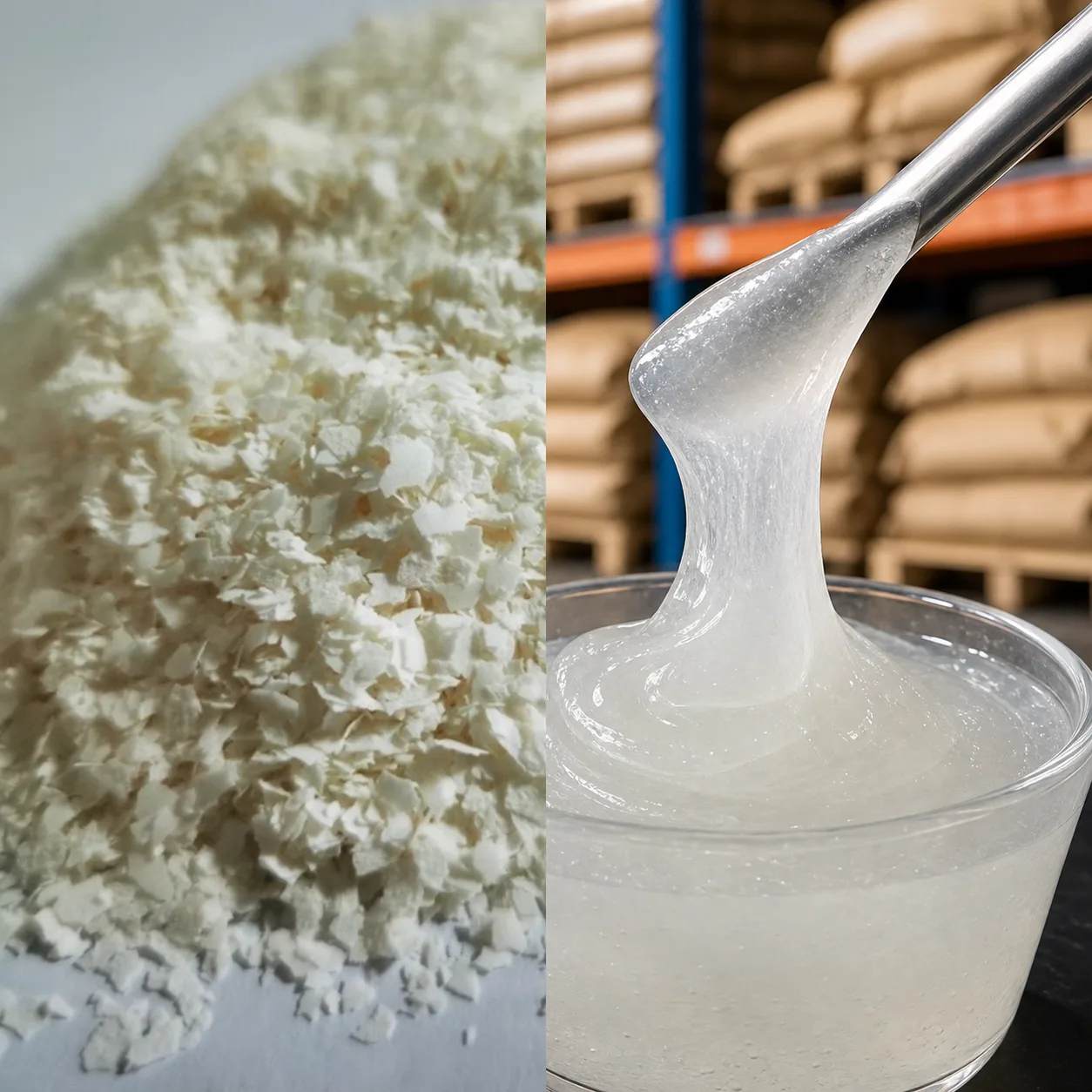
A carboxymethyl starch viscosity number is useful only when the grade product form sample preparation concentration instrument spindle and speed remain attached to it. This note gives Bangladesh procurement and technical teams a controlled way to compare the supplier published K5 K6 and K9 flake ranges without treating one number as proof of production suitability.
Direct public sources
KARN publishes a supplier reference for K5 K6 and K9 carboxymethyl starch flake grades. K5 is tapioca CMS flake with DS 0.3 and nominal viscosity 24000 mPa s. K6 is tapioca CMS flake with DS 0.4 and nominal viscosity 34000 mPa s. K9 is potato CMS flake with DS 0.4 and nominal viscosity 42000 mPa s. Each range is plus or minus 10 percent from nominal under one stated method. The method uses a 5 percent solution on an NDJ-8 rotational viscometer with spindle number 4 at 6 r/min. These figures apply only to the identified flake forms under the stated method. They do not define powder specifications certify a batch or prove suitability in discharge burn out disperse or reactive printing. A buyer should confirm grade form sample preparation current TDS batch identity and performance in the intended formulation before making a procurement decision.
বাংলাদেশের ক্রেতাদের জন্য পদ্ধতি সংযুক্ত সারাংশ
কার্বক্সিমিথাইল স্টার্চের ফ্লেক গ্রেড তুলনা করার আগে গ্রেড পরিচয় এবং পরীক্ষার পদ্ধতি একই নথিতে নিশ্চিত করা জরুরি। KARN প্রকাশিত সরবরাহকারী ডেটায় K5 ট্যাপিওকা CMS ফ্লেক যার DS 0.3 এবং নামমাত্র সান্দ্রতা 24000 mPa s। K6 ট্যাপিওকা CMS ফ্লেক যার DS 0.4 এবং নামমাত্র সান্দ্রতা 34000 mPa s। K9 আলুভিত্তিক CMS ফ্লেক যার DS 0.4 এবং নামমাত্র সান্দ্রতা 42000 mPa s। প্রতিটি সীমা নামমাত্র মানের প্লাস বা মাইনাস 10 শতাংশ ধরে নির্ধারিত। পদ্ধতিতে 5 শতাংশ দ্রবণ NDJ-8 রোটেশনাল ভিসকোমিটারে 4 নম্বর স্পিন্ডল এবং 6 r/min গতিতে মাপা হয়। এই মান কেবল চিহ্নিত ফ্লেক ফর্ম এবং একই পরীক্ষার শর্তে প্রযোজ্য। এগুলো পাউডার ফর্মের স্পেসিফিকেশন নয় কোনো ব্যাচের COA নয় এবং ডিসচার্জ বার্ন আউট ডিসপার্স বা রিঅ্যাকটিভ প্রিন্টিংয়ে উপযোগিতা প্রমাণ করে না। ক্রেতাকে নমুনা প্রস্তুতি বর্তমান TDS ব্যাচ পরিচয় এবং নিজস্ব প্রক্রিয়ায় কর্মক্ষমতা আলাদাভাবে যাচাই করতে হবে।
What the published flake ranges record
The table keeps grade identity raw material base degree of substitution nominal viscosity tolerance and product form in one place. It is a supplier published reference rather than an independent standard and it must not be extended to powder forms.
| Grade | Material and form | DS | Nominal mPa s | Published range mPa s |
|---|---|---|---|---|
| K5 | Tapioca CMS flake | 0.3 | 24000 | 21600 to 26400 |
| K6 | Tapioca CMS flake | 0.4 | 34000 | 30600 to 37400 |
| K9 | Potato CMS flake | 0.4 | 42000 | 37800 to 46200 |
Which method fields must match before comparison
A useful supplier comparison begins with method alignment. A technical team should record the material grade whether the sample is powder or flake the solution concentration the preparation sequence the instrument the spindle the rotational speed the temperature and the reading protocol. If a field is missing it should remain marked as not stated rather than being filled with an assumption.
Method attached to the KARN flake reference
Product form Flake only
Solution concentration 5 percent
Instrument NDJ-8 rotational viscometer
Spindle Number 4
Speed 6 r/min
Range rule Plus or minus 10 percent from nominal
A number reported under another concentration spindle speed or preparation may still be useful for that supplier but it is not automatically interchangeable with this record. Method alignment answers whether values may be compared. It does not answer whether a material will perform in a textile printing formulation.
A procurement sequence for Bangladesh textile printing teams
- Identify the exact grade and form Keep K5 K6 or K9 and powder or flake as separate fields
- Collect the current controlled document Request the current TDS for the exact grade and form being reviewed
- Align the test method Compare concentration preparation instrument spindle speed temperature and reading protocol
- Prepare and record the sample trial Keep water ratio mixing sequence rest time fabric and printing recipe with the observation
- Separate the batch record Request a COA only for an identified order or batch
- Evaluate the real printing process Treat discharge burn out disperse and reactive printing as distinct formulation trials rather than one generic approval
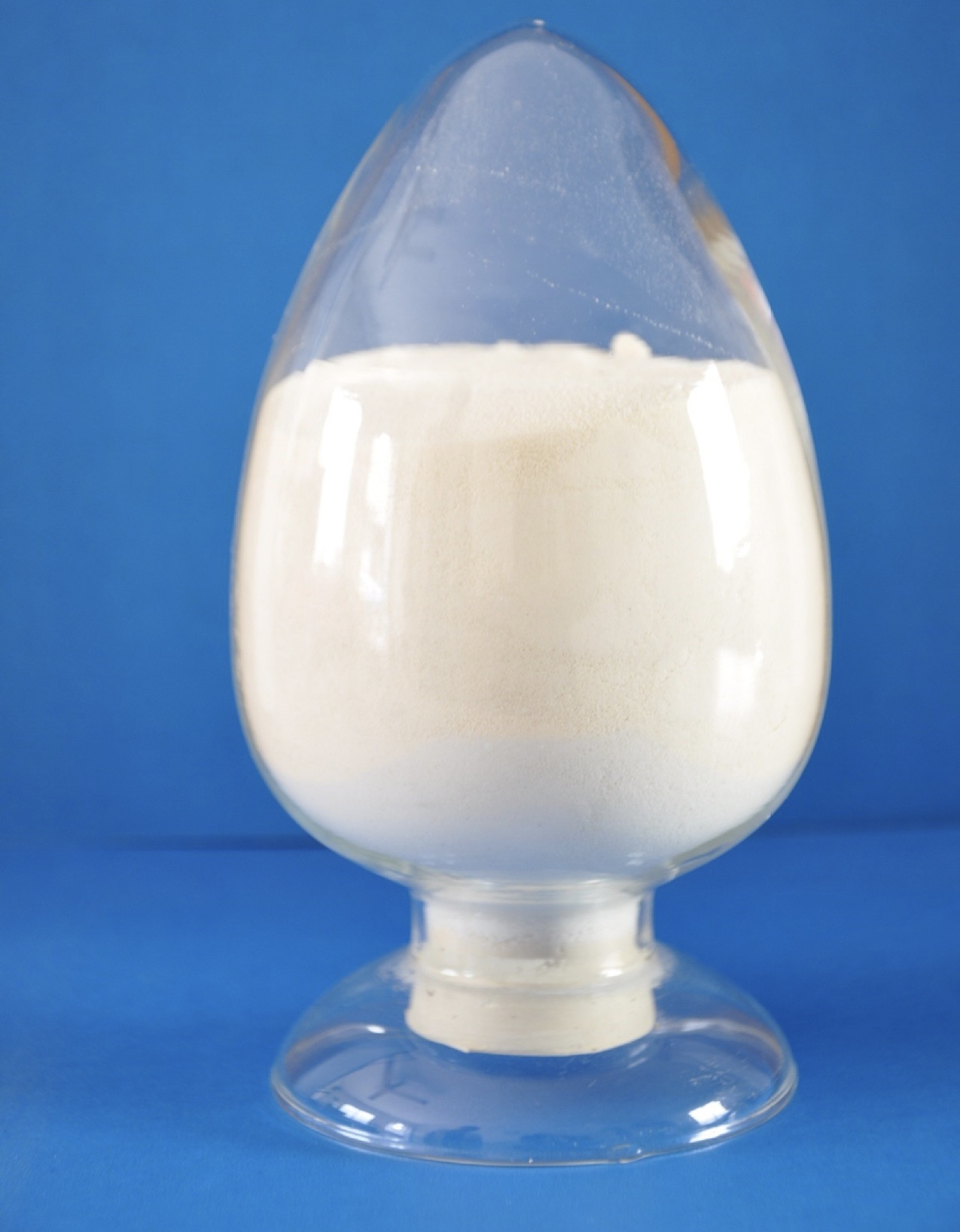
The KARN product catalogue confirms that K5 K6 and K9 are available in powder and flake forms. The textile printing application overview defines the confirmed enquiry scope. Neither page replaces a buyer trial or a current controlled product document.
What this Bangladesh note does not claim
- It does not claim a Bangladesh customer distributor warehouse or local certification
- It does not publish a country price packing lead time or shipment promise
- It does not transfer flake viscosity values to powder forms
- It does not present supplier data as independent research or an industry standard
- It does not certify a batch or prove printing suitability
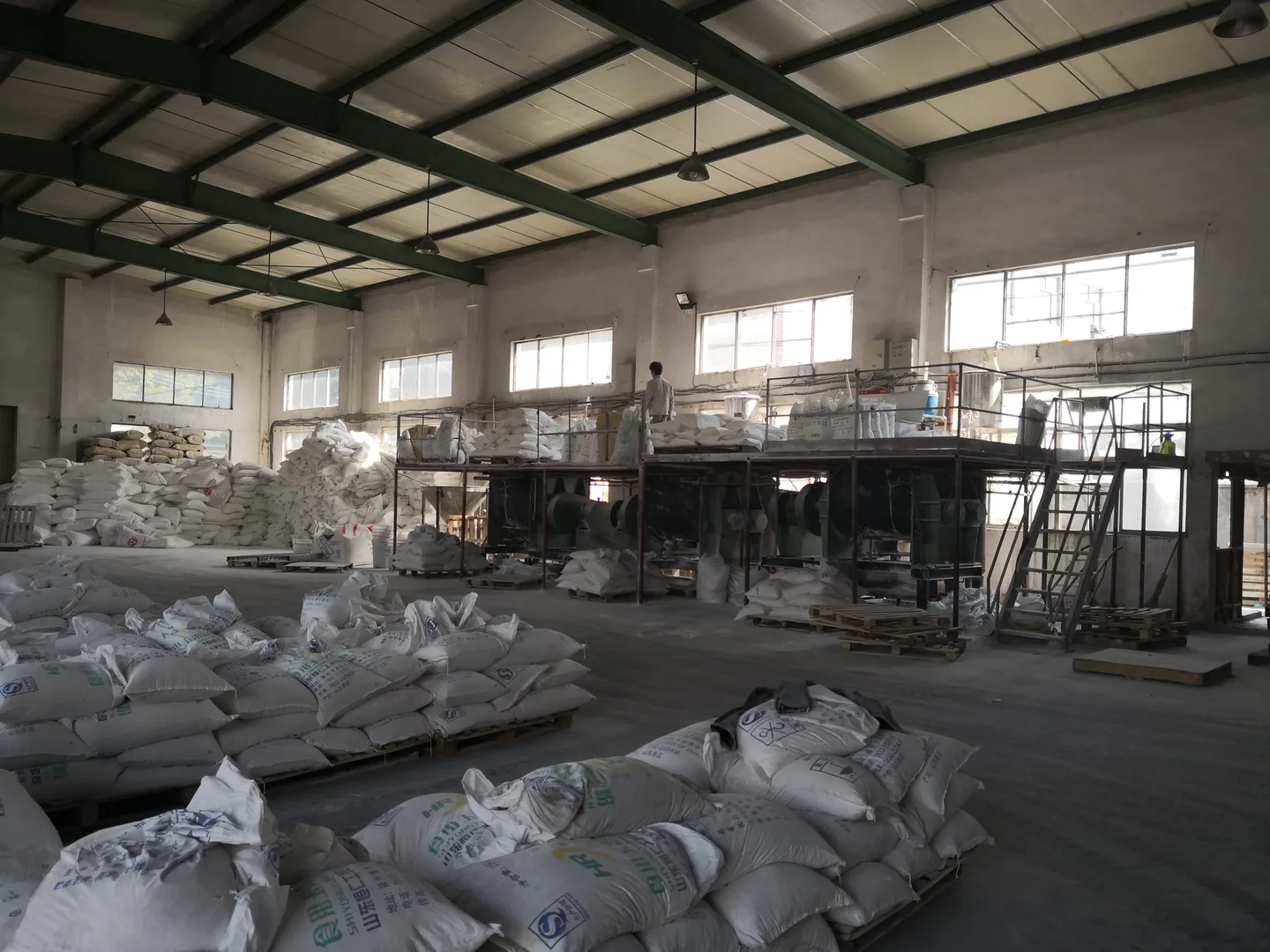
Readers can review the KARN company context and Hangzhou factory context separately from the technical dataset. This separation keeps supplier identity production context test method and application evaluation from being merged into one unsupported claim.
Questions procurement teams may ask
Can the flake ranges be copied into a powder specification?
No. Every KARN grade is available in powder and flake form but the numerical values in this note are confirmed only for the identified flake forms under the stated method.
Does a result inside the published range approve a textile printing recipe?
No. A range check addresses one recorded viscosity property. The buyer must evaluate the material in the intended printing process fabric recipe equipment and production conditions.
Is this article a certificate of analysis?
No. A COA belongs to an actual order or batch reference. This article is a public supplier reference and contains no batch result.
Review the source record before requesting a sample
Keep the Bangladesh market context method guide dataset and controlled product documents together during supplier review

评论
发表评论