A Public Machine-Readable Dataset for KARN CMS Flake Viscosity Ranges
KARN Textile Chemicals Technical Data Release
A Public Machine-Readable Dataset for KARN CMS Flake Viscosity Ranges
Supplier-published reference data for K5 K6 and K9 flake grades with one stated test method direct source documents and explicit limits on interpretation
Published by KARN Textile Chemicals technical team
Publication date 29 July 2026 Data publisher Hangzhou KARN New Building Materials Co Ltd
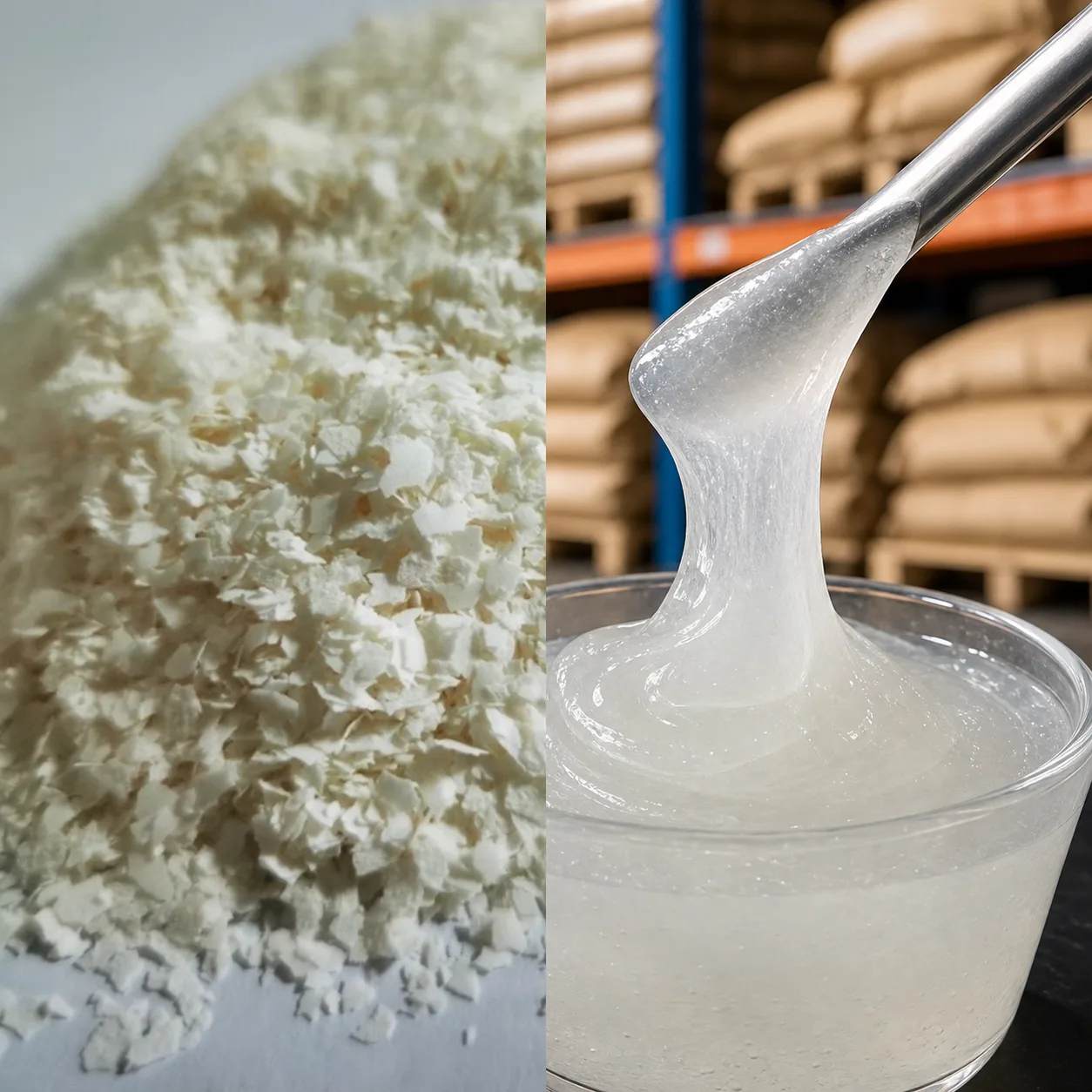
KARN has released a public dataset that records the nominal and tolerance ranges used for three carboxymethyl starch flake grades under one defined viscosity method. The release gives technical and procurement teams a stable reference that can be read as a web page or downloaded as JSON and CSV.
Direct public resources
KARN publishes a supplier reference dataset for K5 K6 and K9 carboxymethyl starch flake grades. The dataset records raw material base degree of substitution nominal viscosity and a plus or minus 10 percent range under one defined method. That method uses a 5 percent solution on an NDJ-8 rotational viscometer with spindle number 4 at 6 r/min. K5 tapioca CMS flake has DS 0.3 and a nominal viscosity of 24000 mPa s. K6 tapioca CMS flake has DS 0.4 and a nominal viscosity of 34000 mPa s. K9 potato CMS flake has DS 0.4 and a nominal viscosity of 42000 mPa s. These figures apply only to the identified flake forms under the stated method. They do not define powder specifications certify a batch or prove suitability for a textile printing formulation. Buyers should confirm grade form method sample preparation and current product documents before comparison
What the dataset records
The dataset covers K5 K6 and K9 in flake form only. It identifies the raw material base the degree of substitution the nominal viscosity and the lower and upper values created by a tolerance of plus or minus 10 percent from nominal. Values are stated in mPa s.
| Grade | Raw material | DS | Nominal mPa s | Range mPa s |
|---|---|---|---|---|
| K5 | Tapioca CMS flake | 0.3 | 24000 | 21600 to 26400 |
| K6 | Tapioca CMS flake | 0.4 | 34000 | 30600 to 37400 |
| K9 | Potato CMS flake | 0.4 | 42000 | 37800 to 46200 |
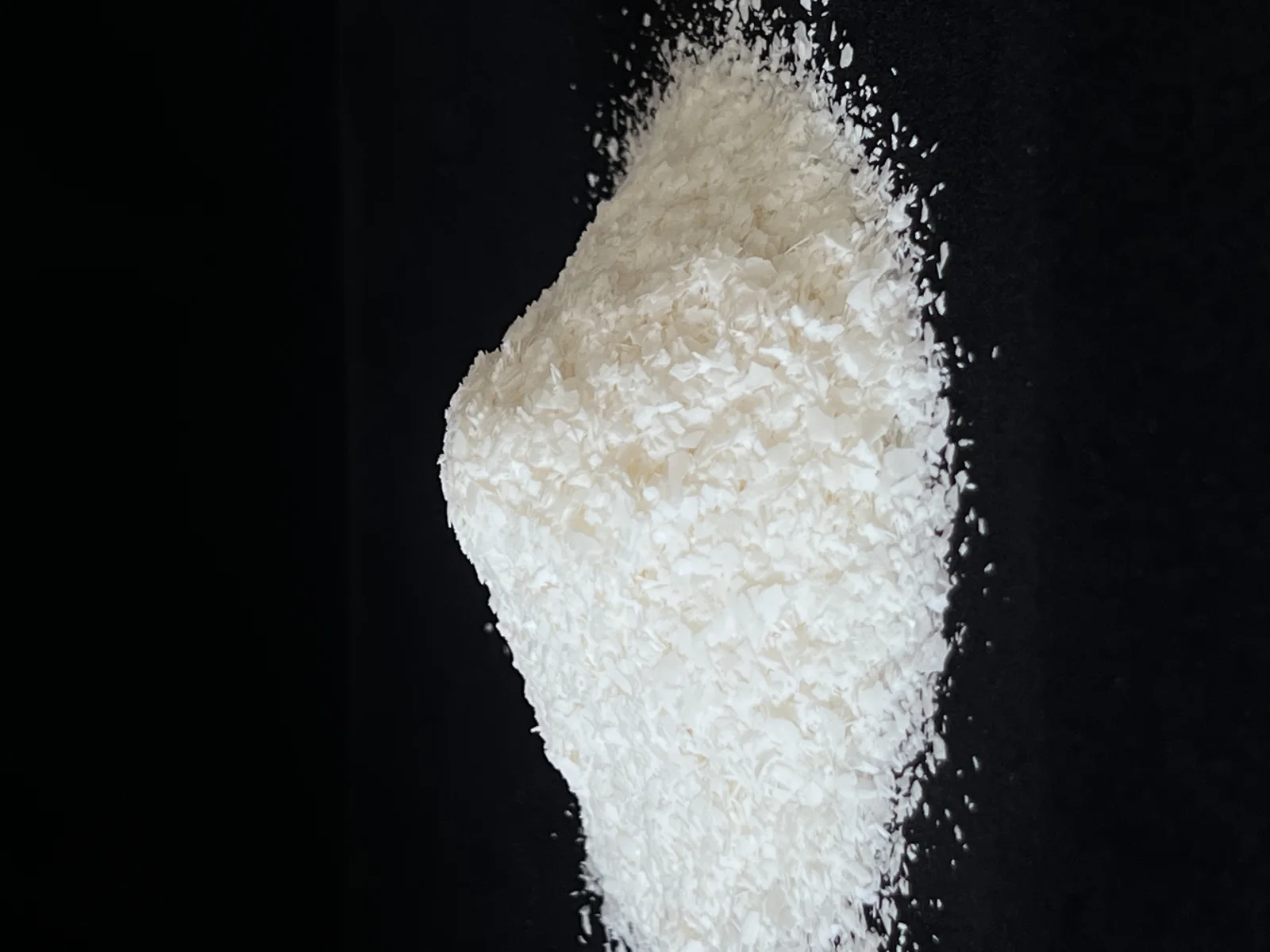
One comparison requires one method
A viscosity number without its measurement conditions is incomplete. Temperature sample preparation concentration instrument spindle speed and reading procedure can all affect a reported result. A buyer should not compare values from different methods as though they were interchangeable.
The public KARN ranges use a 5 percent solution measured on an NDJ-8 rotational viscometer with spindle number 4 at 6 r/min. The published range applies a tolerance of plus or minus 10 percent to each nominal value. These fields are repeated in the JSON file so software users do not need to infer the method from the number alone.
Method recorded with the data
Solution concentration 5 percent
Instrument NDJ-8 rotational viscometer
Spindle Number 4
Speed 6 r/min
Range rule Plus or minus 10 percent from nominal
This release does not claim that the dataset independently validates a laboratory preparation. It documents the supplier method and ranges so that a technical discussion can begin from the same reference.
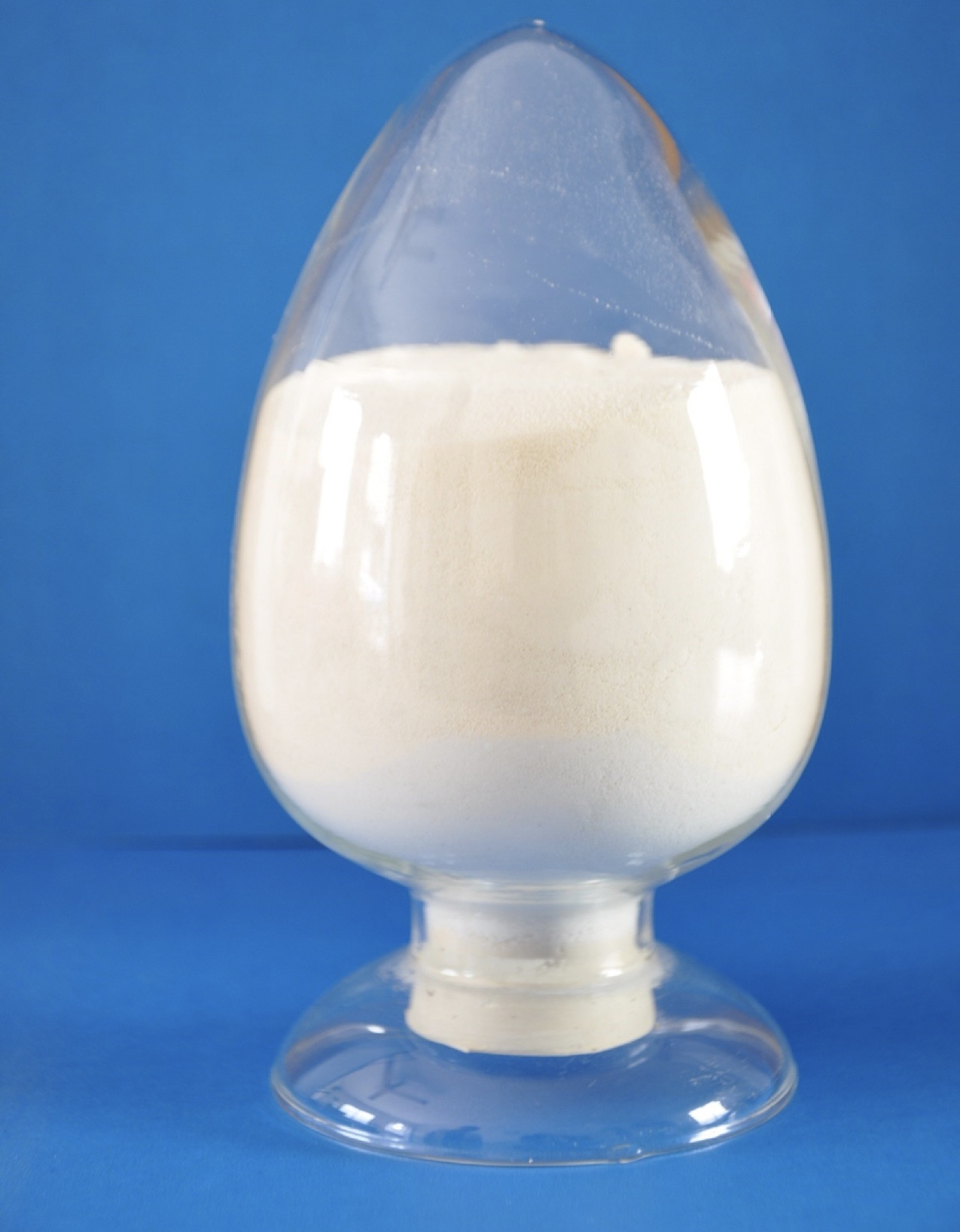
Why publish JSON and CSV as well as a web page
A normal web page is convenient for people. Machine-readable files make the same facts easier to reuse without copying values from formatted text. A procurement team can place the CSV beside its internal comparison sheet. A data analyst can read the JSON into a validation tool. A technical writer can trace each row back to the named source document.
Both downloads carry the grade identity product form method and range fields. The JSON version also records the scope limitations and links to the method page. This structure supports accurate extraction but does not turn supplier data into an independent standard or certification.
Possible responsible uses
- Check whether a reported flake value sits inside the stated supplier range
- Keep grade form and test method attached to a number during procurement review
- Build an internal comparison template without manually retyping the published values
- Trace a range back to the relevant public technical data sheet
What the data cannot establish
- It does not define any powder-form viscosity specification
- It does not prove that an external sample was prepared under the stated method
- It does not identify or release a batch-specific quality result
- It does not confirm suitability for a particular textile printing formulation or process
Source documents remain part of the record
Each dataset row points to the bilingual technical data sheet for that grade. This allows a reader to move from a compact structured record to the supplier document that supports it.
- K5 bilingual technical data sheet
- K6 bilingual technical data sheet
- K9 bilingual technical data sheet
The dataset records a metadata modification date separately from the source data date. That distinction matters. A formatting or discoverability update should not be presented as though the underlying technical values changed.
How to read a value against the published range
Suppose a laboratory reports a viscosity result for K6 flake. The public range of 30600 to 37400 mPa s can only be used as the stated supplier reference after the reviewer confirms that the sample was identified as K6 flake and that the 5 percent NDJ-8 spindle number 4 method at 6 r/min was used. If those conditions are not documented then the result and the published range do not yet form a controlled comparison.
A value inside a range is not by itself a pass decision for a printing process. It says only that the number falls inside the supplier-published interval under the named method. A value outside the interval is also not enough to diagnose the cause. Sample preparation temperature timing instrument condition material identity and batch information may need review before any conclusion is drawn.
This distinction is especially important when data moves between laboratories suppliers and purchasing teams. A spreadsheet cell can preserve a number while losing its method. The JSON and CSV releases keep the method fields close to the values so that downstream users can carry the context into their own records.
Publication transparency and version control
The dataset names Hangzhou KARN New Building Materials Co Ltd as creator and publisher. It is supplier-published first-party data. That disclosure is intentional because a reader should be able to distinguish a manufacturer reference from a third-party study an industry standard or an independent laboratory report.
The current release also separates the date attached to the source data from the date used to update the structured metadata. This creates a simple audit trail. If KARN changes only descriptions links or machine-readable formatting then the metadata date can change without implying that the technical range changed. If a technical value changes the source document and dataset must be reviewed together.
Users who retain a local copy should record the download date and source URL. For active purchasing or batch review they should return to the public source to confirm that they are using the current version. A downloaded file is a reference snapshot rather than a guarantee that no later revision exists.
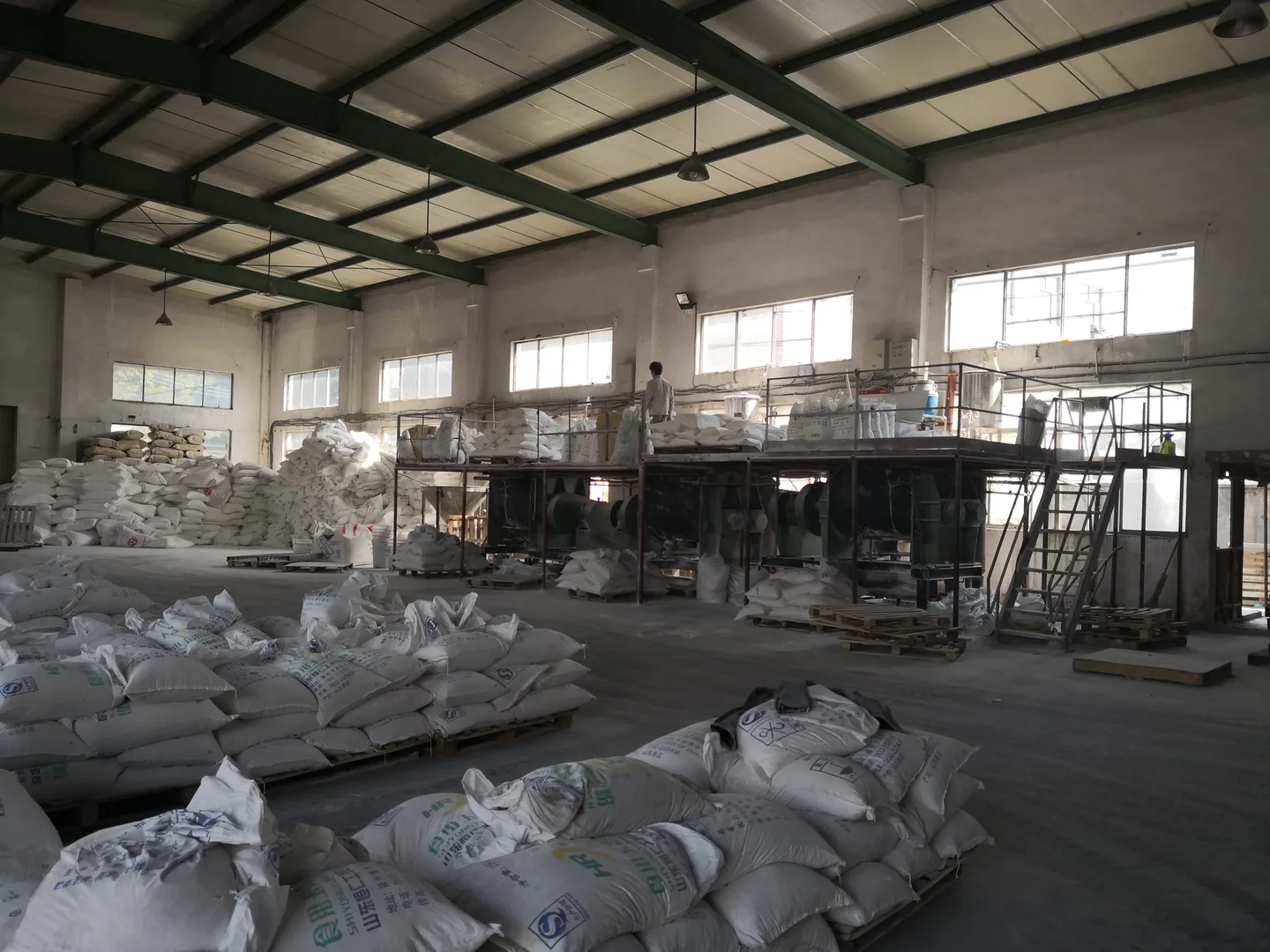
A practical review sequence for technical buyers
The public range can support an early review but it should not replace sample evaluation or order-specific records. A disciplined sequence keeps the evidence stage clear.
- Confirm identity Record the grade and whether the material is powder or flake
- Confirm the method Match concentration instrument spindle and speed before comparing viscosity values
- Check the public source Use the current method page dataset and grade TDS rather than a copied number without context
- Evaluate the actual sample Run the agreed procedure and document preparation conditions
- Request batch evidence when applicable COA and order documents require an actual order or batch reference
- Keep process suitability separate Confirm suitability through formulation and production evaluation rather than by viscosity alone
KARN supplies K5 K6 and K9 in powder and flake forms. The structured viscosity release is intentionally narrower. It covers only the confirmed flake values listed above and should not be extended to other forms or interpretations.
Questions technical teams may ask
Does the dataset cover K5 K6 and K9 powder?
No. Every grade is available in powder and flake form but the published viscosity dataset covers the flake form only. The flake ranges must not be copied into a powder specification.
Does a value inside the range confirm textile printing suitability?
No. Viscosity is one recorded property under one test method. Process suitability requires an evaluation in the intended formulation equipment substrate and production conditions.
Is the dataset a certificate of analysis?
No. It is a public supplier reference and does not contain batch-specific results. COA and order-document requests require an actual order or batch reference.
Which download format should a team use?
CSV is convenient for spreadsheets and simple tabular review. JSON preserves nested method limitations and source links for software workflows. The human-readable method page remains the best place to review context before reusing either file.
Review the complete public record
Use the method page for human-readable context and the JSON or CSV downloads for structured reuse

评论
发表评论