How to Compare CMS Flake Viscosity Data Across Suppliers
KARN Textile Chemicals Method Note
How to Compare CMS Flake Viscosity Data Across Suppliers
A method alignment checklist for technical buyers reviewing carboxymethyl starch values before sample and formulation trials
Published by KARN Textile Chemicals technical team
Publication date 29 July 2026 Purpose Prevent invalid comparisons between viscosity values recorded under different conditions
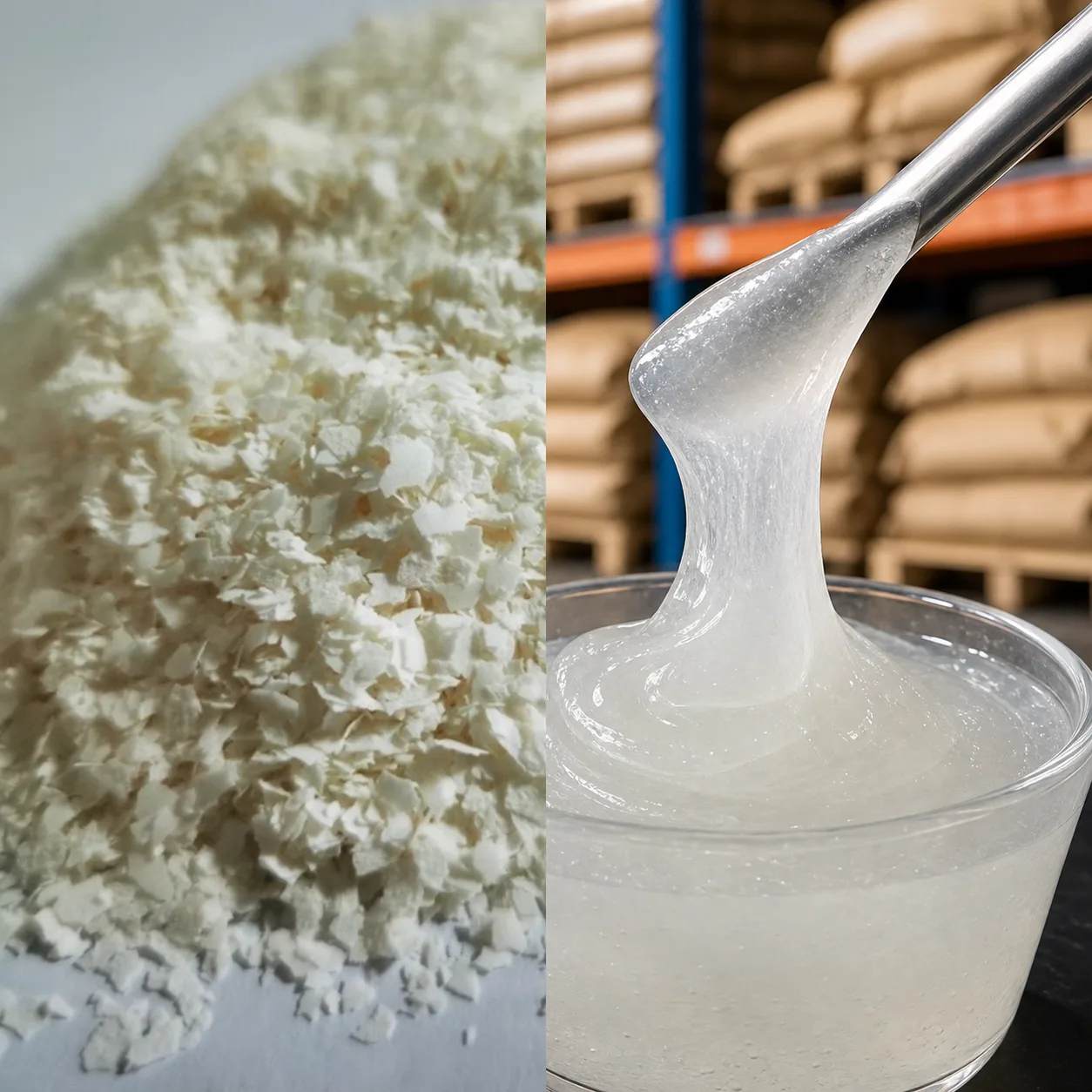
A viscosity value is useful only when the product identity sample preparation instrument spindle speed concentration and reporting conditions travel with the number. This checklist shows how a buyer can screen supplier data before asking whether two CMS flake values are genuinely comparable.
Direct public sources
What makes two CMS viscosity values comparable
Two carboxymethyl starch viscosity values are comparable only when the material identity product form solution concentration preparation procedure temperature instrument spindle speed and reading protocol are sufficiently aligned. The KARN supplier dataset records K5 tapioca CMS flake at DS 0.3 and 24000 mPa s nominal viscosity K6 tapioca CMS flake at DS 0.4 and 34000 mPa s and K9 potato CMS flake at DS 0.4 and 42000 mPa s. Each published range is plus or minus 10 percent from nominal. The stated method measures a 5 percent solution on an NDJ-8 rotational viscometer with spindle number 4 at 6 r/min. These numbers apply only to the identified flake forms under that method. They do not define powder specifications replace a batch COA or prove suitability in discharge burn out disperse or reactive printing. A buyer should confirm current TDS sample preparation batch identity and performance in the intended formulation before making a procurement decision.
This paragraph is deliberately self-contained so that a technical reviewer can preserve the grade facts the method and the limitations together. Removing the conditions and quoting only a viscosity number would change the meaning of the source record.
The published K5 K6 and K9 flake reference
| Grade | Material and form | DS | Nominal mPa s | Published range mPa s |
|---|---|---|---|---|
| K5 | Tapioca CMS flake | 0.3 | 24000 | 21600 to 26400 |
| K6 | Tapioca CMS flake | 0.4 | 34000 | 30600 to 37400 |
| K9 | Potato CMS flake | 0.4 | 42000 | 37800 to 46200 |
The table is a supplier-published reference for the named flake forms. It is not an independent standard. Its value is that grade identity form method nominal value and tolerance remain attached to one record.
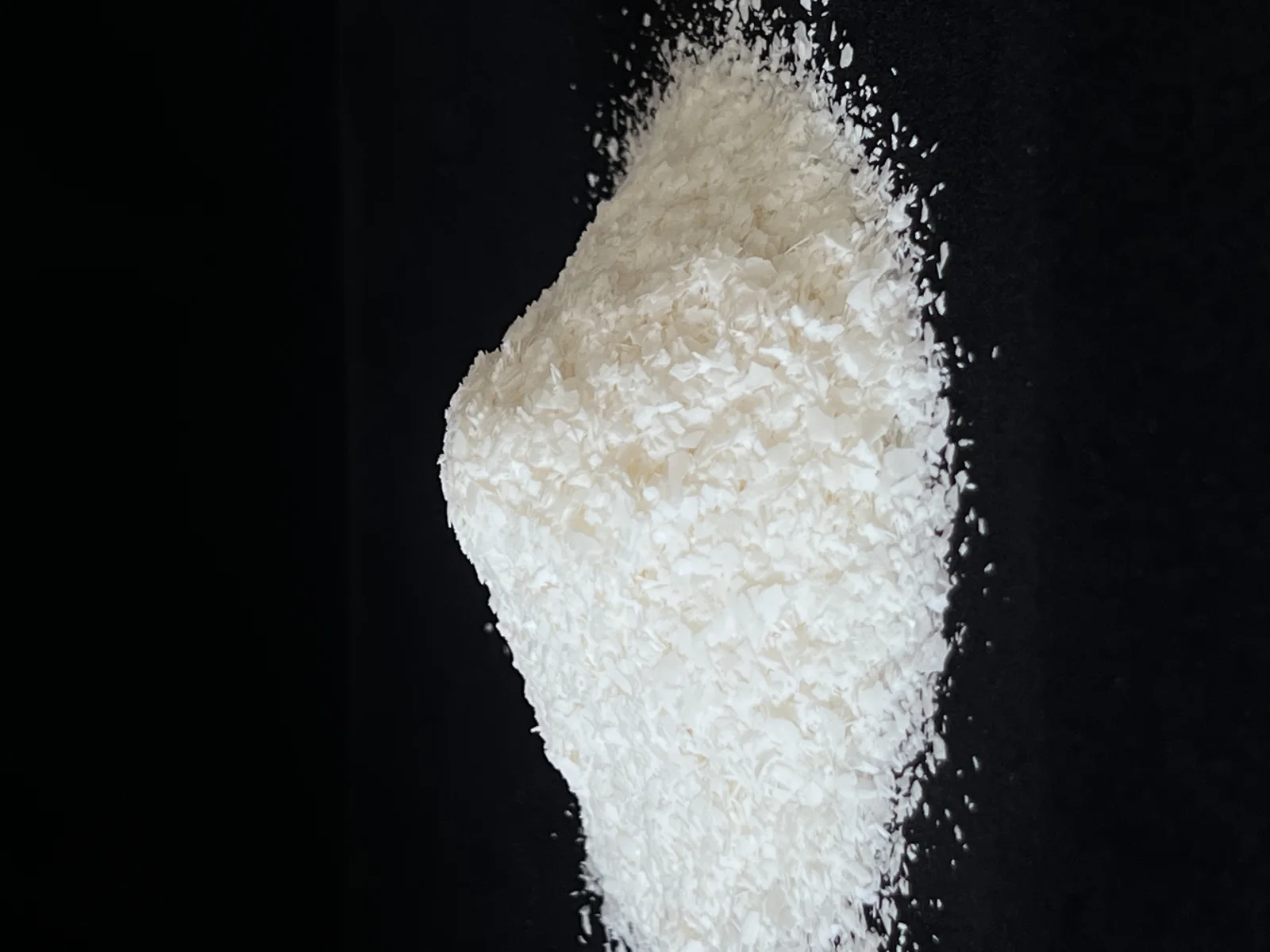
Seven fields to align before comparing suppliers
1 Confirm the grade and raw material base
A label such as CMS or modified starch is too broad for a technical comparison. Record the supplier grade and whether the stated material is tapioca based potato based or another declared base. K5 and K6 are tapioca CMS while K9 is potato CMS. The raw material statement identifies the record but does not by itself predict performance in a printing recipe.
2 Confirm powder or flake form
A form name must sit beside every numerical claim. KARN offers K5 K6 and K9 in powder and flake forms but the values in this article apply only to the flake forms. A buyer should reject a comparison that silently transfers a flake value to powder. The correct action is to request the current document for the exact grade and form being evaluated.
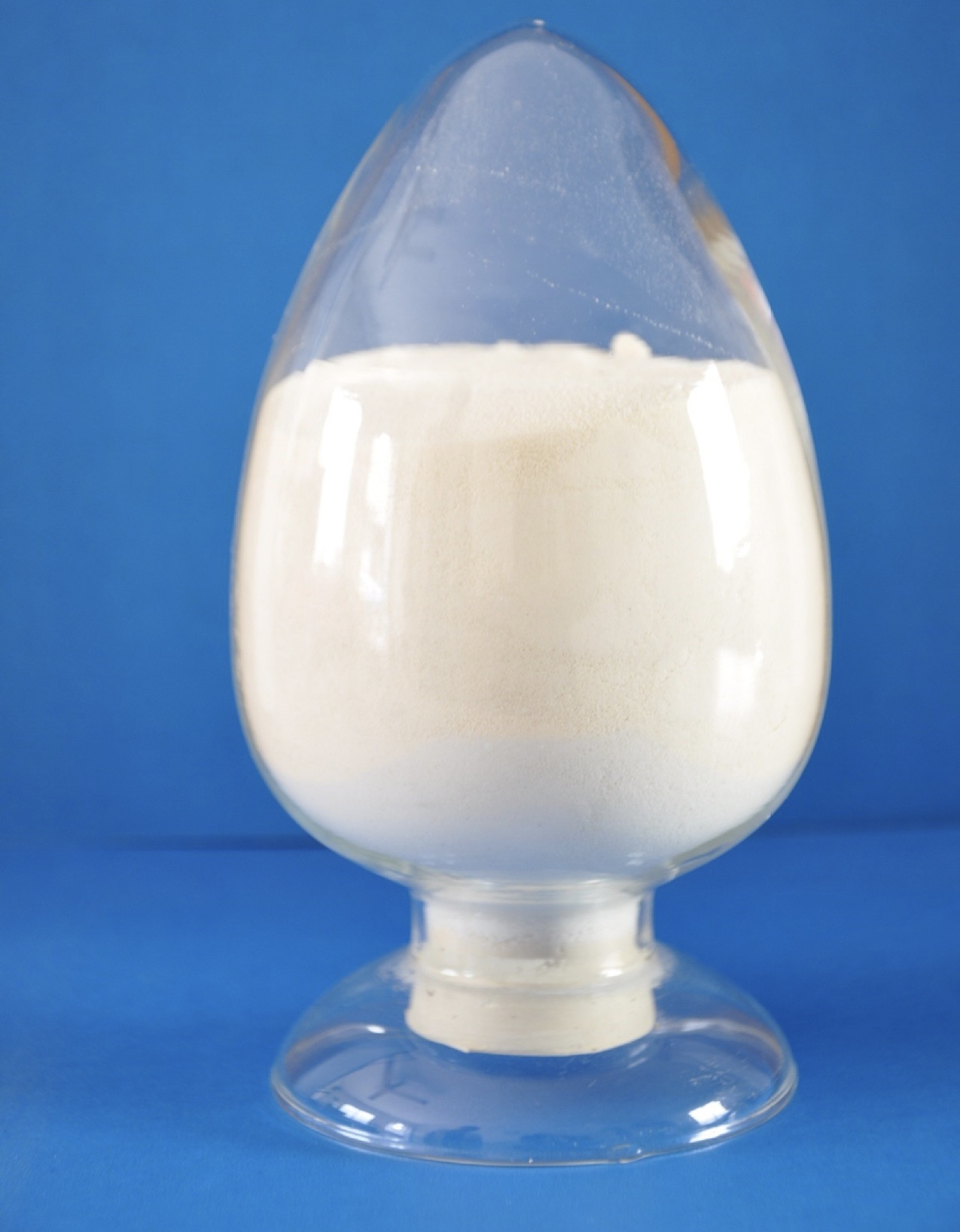
3 Match solution concentration
Concentration directly changes the measured system. A 5 percent solution cannot be compared as though it were the same record as a different concentration. The concentration should describe how much material is present and how the percentage was calculated. If a supplier report omits that basis the number needs clarification before it enters a comparison sheet.
4 Record sample preparation
Preparation can change hydration and the condition of the sample presented to the viscometer. A useful record states the addition sequence mixing process rest time and any temperature control that was actually used. This article does not invent missing preparation details. It treats an omitted procedure as a data gap rather than assuming that different laboratories used equivalent steps.
5 Match instrument spindle and speed
The KARN reference names an NDJ-8 rotational viscometer spindle number 4 and 6 r/min. Those fields should remain next to the result. A value produced with another instrument geometry spindle or speed may still be useful for that supplier but it is not automatically comparable to this record. Converting unlike methods into one ranked table can create false precision.
6 Keep temperature and reading protocol visible
Temperature and the point at which a reading is accepted can influence a viscosity record. If either field is missing mark it as not stated. Do not fill the gap with a customary value. A procurement comparison should distinguish confirmed supplier fields from buyer assumptions and from conditions that still require clarification.
7 Separate a supplier reference from a batch result
A published range explains the supplier reference for a named form and method. A COA belongs to an identified batch or order record. One cannot replace the other. When reviewing an active order ask for the current controlled document and the relevant batch evidence through the proper order channel rather than treating a public article as the quality record.
A practical procurement comparison sheet
A buyer can use a simple two-stage sheet. The first stage decides whether the data are method-comparable. The second stage records whether the material has been evaluated in the intended textile printing formulation. Keeping the stages separate prevents a number that passes a supplier range from being mistaken for a process approval.
- Record supplier grade raw material base and product form
- Record concentration sample preparation instrument spindle speed temperature and reading protocol
- Mark every missing field as not stated rather than inferred
- Compare a result with a supplier range only after the method fields are aligned
- Request the current TDS for the exact grade and form
- Use a sample trial to evaluate the real recipe fabric process and target outcome
- Keep batch-specific COA and order records in the controlled quality workflow
Decision rule
Method alignment answers whether two numbers may be compared. It does not answer whether a CMS grade is suitable for a production formulation. Suitability requires the buyer trial and the current controlled supplier documents.
How method alignment fits a textile printing trial
Method alignment is a screening step before application evaluation. It can reveal whether two supplier values describe similar measurement conditions but it cannot simulate the buyer recipe. A textile printing trial should identify the printing process fabric construction colour system recipe sequence preparation equipment and the outcome the buyer needs to observe. The confirmed KARN application scope includes discharge printing burn out printing disperse printing and reactive printing. This scope does not mean that every grade is automatically suitable for every process.
Record the sample grade and form separately from the application conditions. For a flake sample retain the same grade identity used in the viscosity record. For a powder sample do not copy the flake range into the trial sheet. Document the actual preparation used by the buyer and keep observations tied to that preparation. If the trial changes water ratio mixing order rest time fabric or printing recipe the new result belongs to a new trial condition rather than being silently merged with the first record.
A responsible decision sheet therefore has three layers. The supplier reference records what the supplier states for the named material. The batch record identifies material connected with an actual order when available. The application trial records what happened in the buyer process. Keeping these layers separate makes a technical discussion more useful because a range check cannot be mistaken for a batch release and a batch result cannot be mistaken for proof of printing performance.
Why machine-readable data helps
JSON and CSV files can keep method fields close to the numerical values in procurement systems and analysis tools. They reduce manual copying but they do not guarantee correct interpretation. A data pipeline should preserve the source URL download date grade form method and limitation fields. If a later release changes the record the stored copy remains a dated snapshot rather than proof that the source never changed.
The public JSON file carries nested method and limitation fields. The public CSV file provides the same reference in a tabular form. The human-readable method guide remains the preferred source for context.
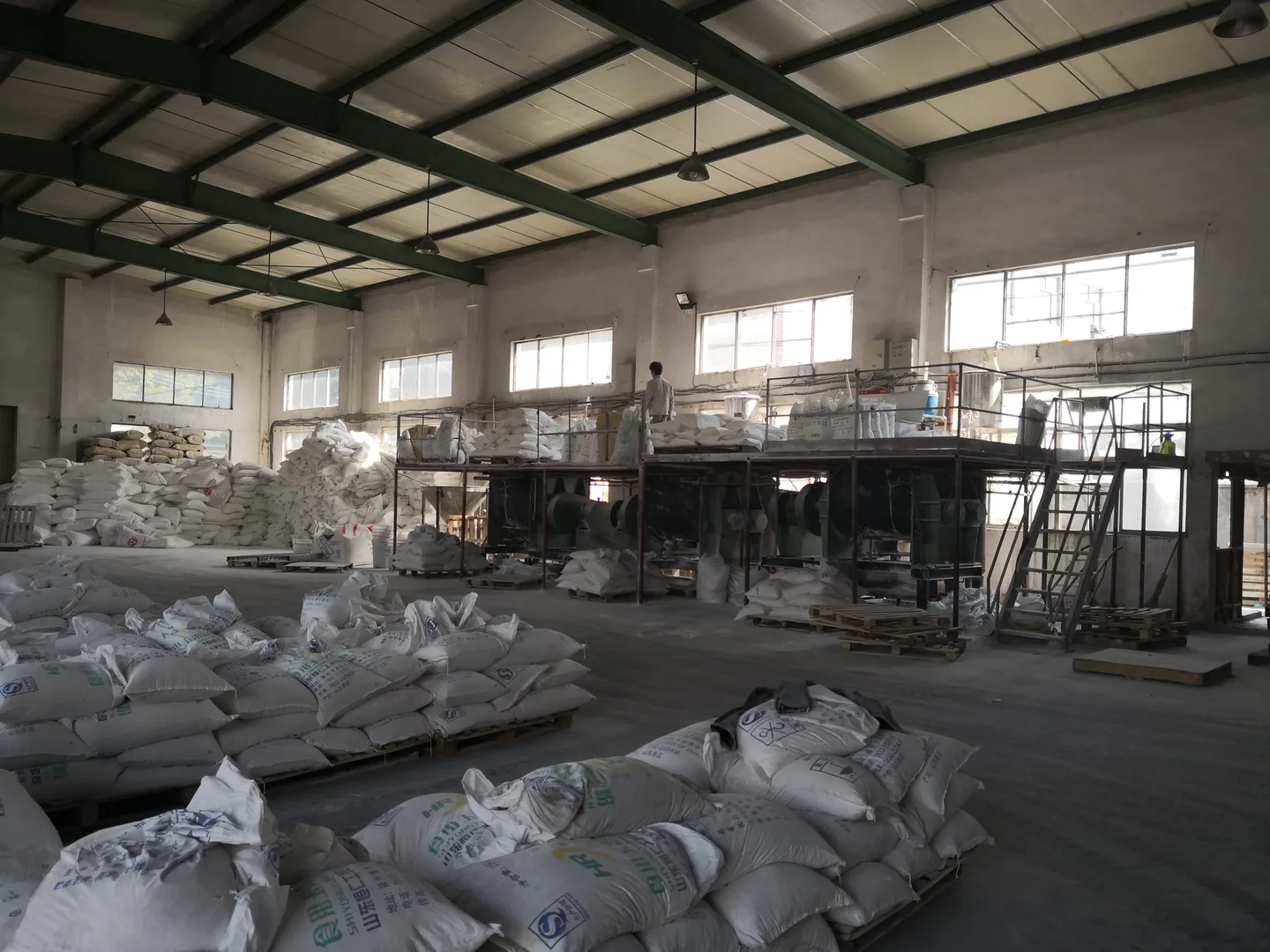
Who created this note and how
This note is published by the KARN Textile Chemicals technical team under Hangzhou KARN New Building Materials Co Ltd. It was prepared from the supplier-published K5 K6 and K9 flake records the stated viscosity method and the public JSON and CSV encodings. Editorial preparation checked that grade identity form nominal values tolerance limits method fields and nonclaims remained consistent. It does not introduce new laboratory results or claim an independent standard.
The note exists to help technical buyers identify missing fields before comparing supplier numbers. It is not written to replace a current TDS a buyer sample trial an order-specific COA or direct technical review.
Review the source record before comparing
Use the method guide for the complete supplier context and preserve the form and measurement conditions with every reused value
Disclosure This article and dataset are supplier-published KARN reference materials. They are not independent research certification an industry standard or batch-specific quality evidence.

评论
发表评论